2026 marks a turning point.
Across the projects we support and the enquiries we receive, one recurring theme is becoming increasingly apparent: brands are looking to evolve their labelling. Not through radical change, but rather as a response to a growing sense of fatigue. Solutions that have shaped the identity of premium products for years can, over time, lose some of their ability to surprise and delight.
Labelling is not static. It reflects the spirit of its time and, as such, follows its own cycle of evolution. Today, many brands feel the need to refresh their packaging without abandoning the identity they have carefully built.
This is less about rebranding and more about refinement. Often subtle, these adjustments are driven by a shared objective: aligning with contemporary luxury expectations while remaining relevant. Modernising without reinventing. Seeking greater precision in materials, forms, colours, finishing details and quality of execution.
In a market where customer experience, innovation and sustainability are redefining value just as much as aesthetics, packaging has become a strategic driver of differentiation and desirability.
Which trends appear to be shaping luxury packaging today?
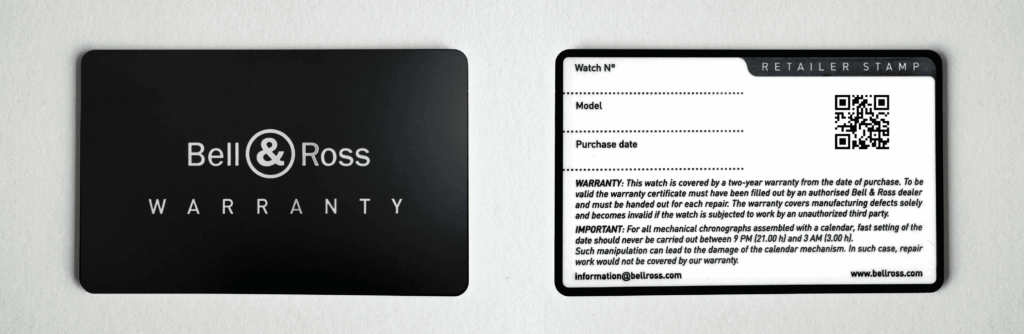
1. The Authenticity of Materials
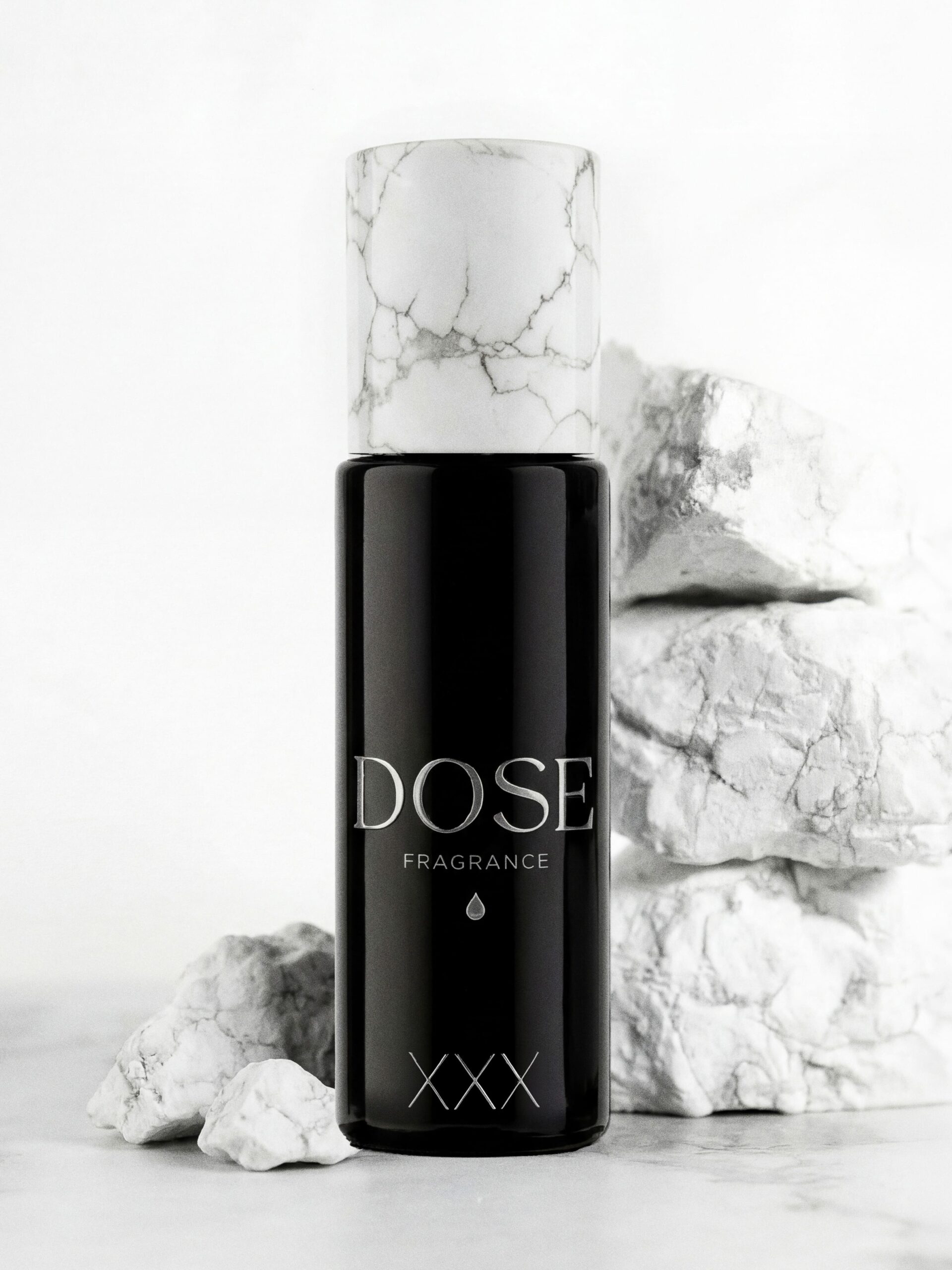
Contemporary luxury is moving away from excess and over-engineered finishes.
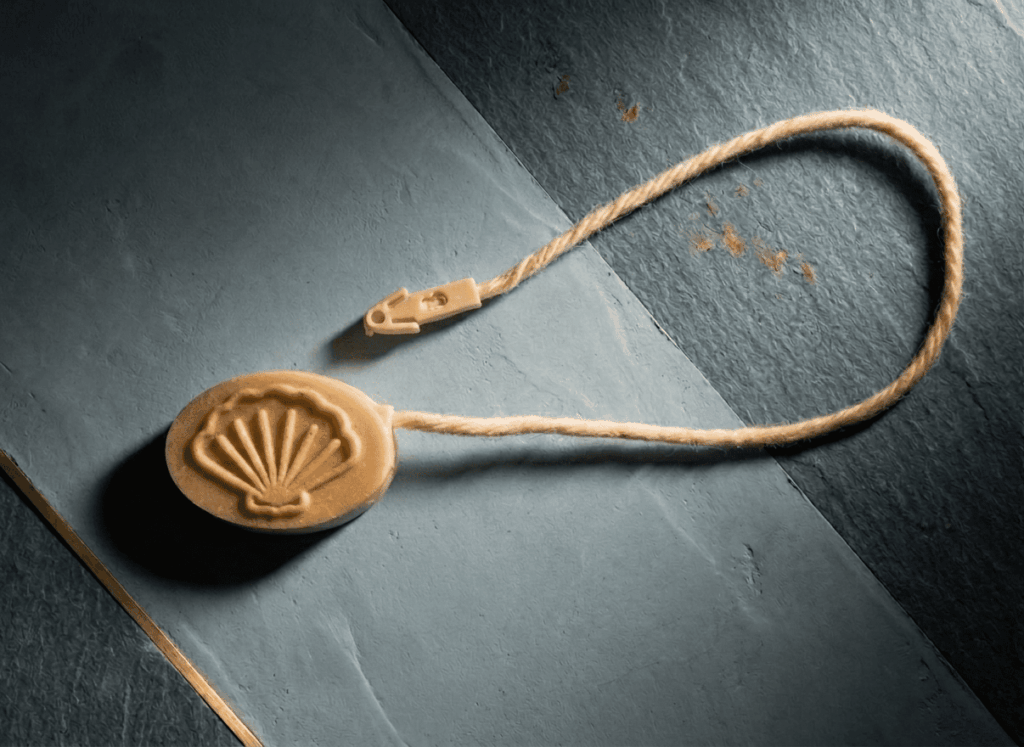
Premium packaging is increasingly defined by the strength of a material, the character of a texture, and the subtlety of a finish.
This shift is reflected in a growing interest in materials with a strong perceived value:
– mineral-based materials
– less processed, more authentic materials (such as anodised aluminium, which we explored in a recent article)
– bio-based materials and materials derived from industrial by-products
Sophistication has not disappeared. It has simply changed form, becoming more understated, more refined and more essential.
2. From Logo to Signature
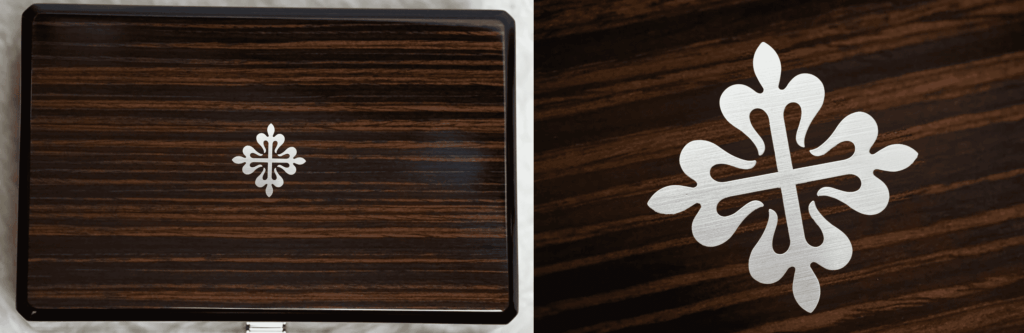
The amount of information is decreasing. Quality of execution is taking centre stage.
Premium labelling increasingly relies on:
– embossed and debossed details
– contrasts between matte and glossy finishes
– subtle metallic effects
– deep matte or satin finishes
Less ink, more material.
Less prominent logos, more refined signatures.
3. Modern Minimalism
Quiet luxury continues to gain ground over loud luxury.
– clean, uncluttered designs
– restrained and carefully crafted typography
– brushed textures
– soft-touch surfaces
– tone-on-tone labelling
– subtle plays on transparency
The focus shifts towards the material itself – and ultimately towards the product.
Discretion has become a hallmark of sophistication.
4. The Luxury Colour Palette
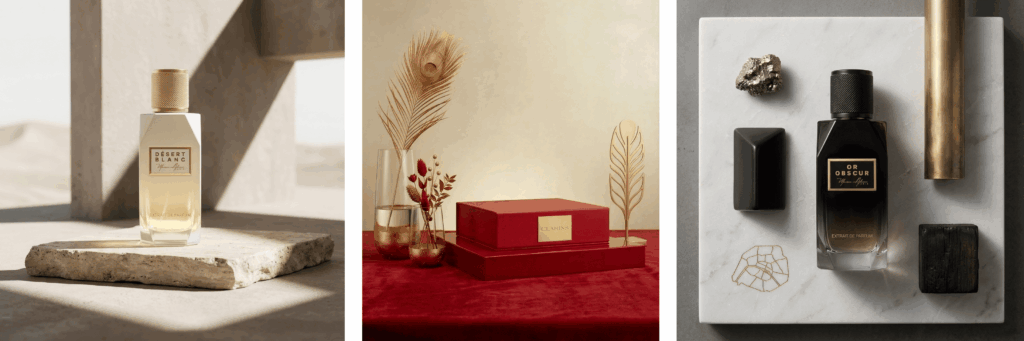
The luxury colour palette is evolving not through dramatic changes in colour, but through subtle shifts in tone and nuance.
The dominant shades remain largely neutral and warm, occasionally punctuated by a bold accent used with precision. Notable trends include:
– the continued prominence of gold, particularly in matte finishes
– a growing preference for textured whites (off-white, chalky and mineral-inspired tones), which convey purity and modernity
– the structuring role of black (matte or deep black), providing a striking contrast to metallic finishes
– a strong affinity for scarlet red, often paired with gold
Premium labelling is also moving towards more mineral-inspired shades, including stone grey, soft anthracite and muted moss green, alongside softer metallic tones such as champagne gold, rose gold, matte silver, bronze and aged brass.
5. The Importance of Touch
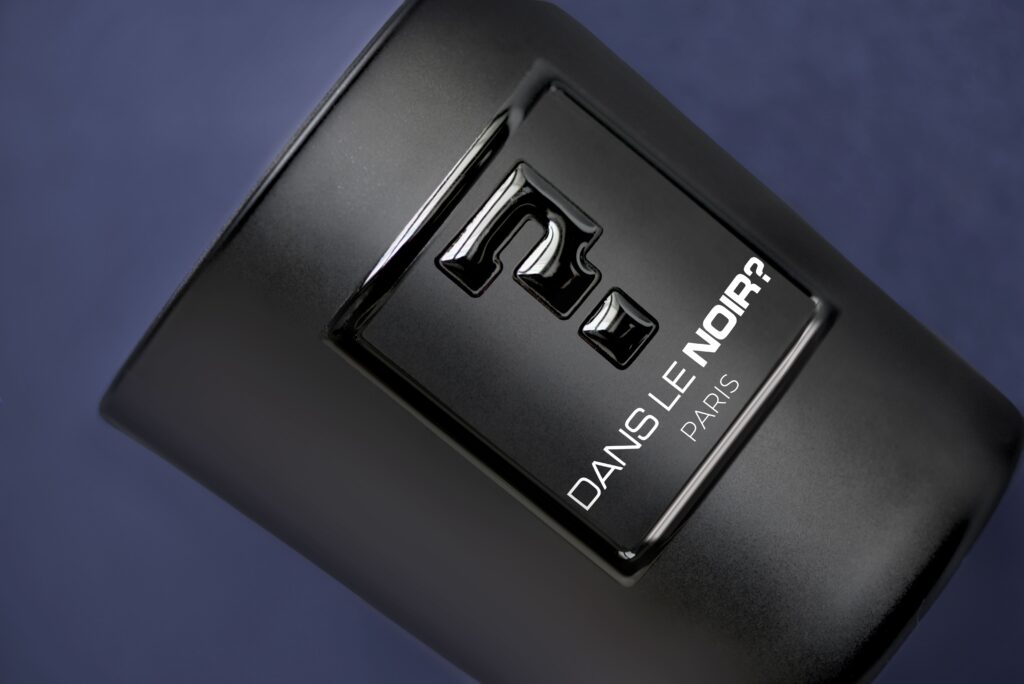
While visual appeal remains essential, luxury is no longer something that is simply seen. It is something that is felt.
Textured papers, embossing, raised finishes and soft-touch surfaces are increasingly becoming key drivers of the customer experience. They help anchor perceptions of quality through a simple gesture: picking up and handling the product.
Labelling thus becomes a physical point of contact with the brand, capable of creating a more intimate, more memorable and more inclusive experience.
6. A Measured Approach to Technology
Technology is becoming an increasingly important part of premium labelling – provided it delivers genuine value.
QR codes, NFC technology and augmented reality are finding their place when they support:
– authenticity
– traceability
– storytelling
In this way, labelling can become a discreet gateway to high-value content, enriching both the understanding and the experience of a product.
At the same time, the appeal of craftsmanship remains as strong as ever.
Individually applied labels, one-of-a-kind finishes, in-store personalisation through laser engraving, and the integration of textiles or embroidery are opening up new avenues for creative expression, combining craftsmanship, personalisation and long-term value. These approaches encourage new combinations of materials, turning labelling into a meeting point between innovation and expertise.
7. Sustainability as a Defining Requirement
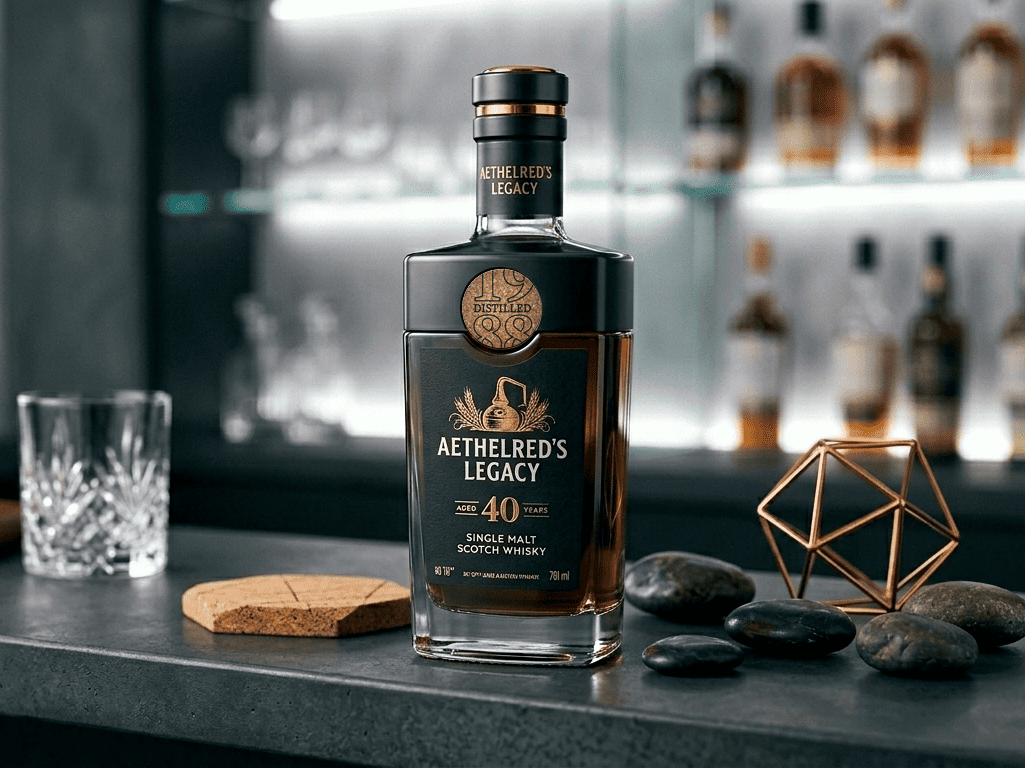
Sustainability is no longer simply a brand-enhancing attribute.
It is becoming a requirement for compliance, trust and long-term credibility.
Particularly in Europe, the regulatory landscape is evolving rapidly:
– the objective of making packaging recyclable or reusable by 2030
– the rise of the Digital Product Passport under the Ecodesign for Sustainable Products Regulation, providing access to information such as product composition and origin
– increased scrutiny of certain substances, including PFAS
These developments are driving a fundamental rethink of premium labelling:
– reducing material usage
– simplifying product construction and assemblies
– anticipating future regulatory requirements
Circularity and sustainable production are gradually shifting from a competitive advantage to a prerequisite within the luxury sector.
8. Packaging as Storytelling
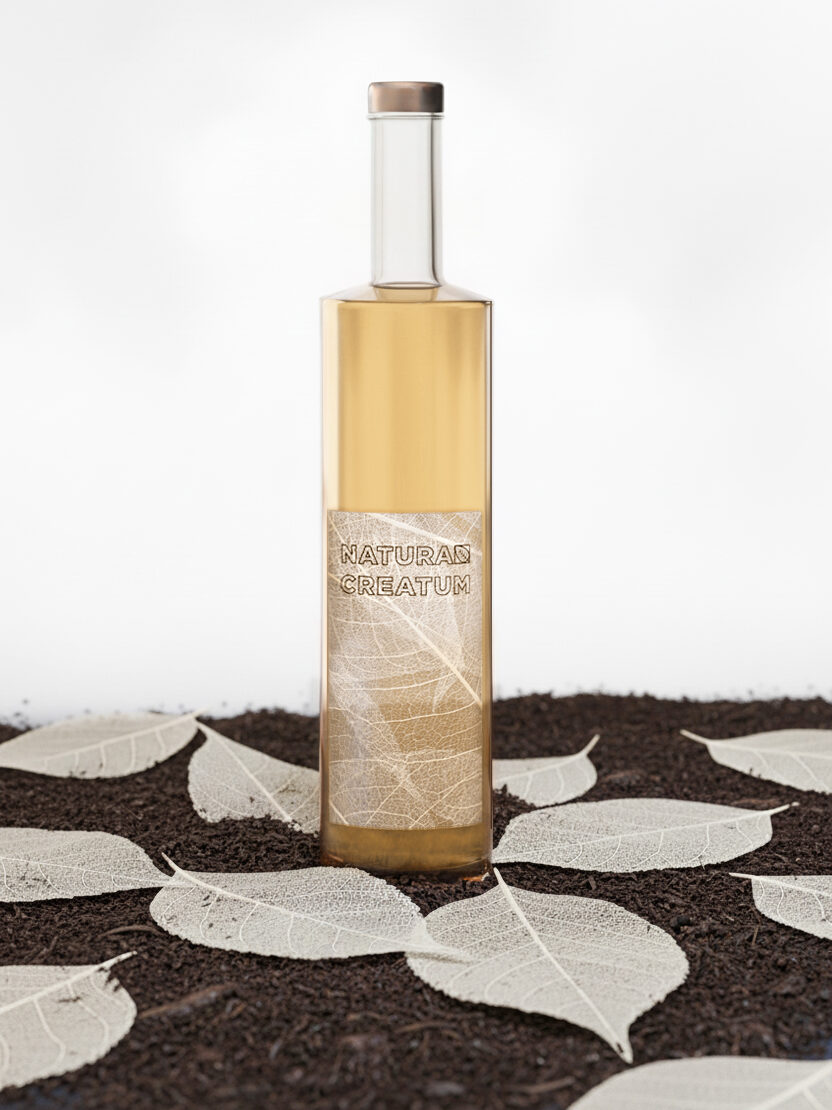
The origin of materials, manufacturing processes and brand values: every detail carries meaning.
A grape leather label applied to a bottle or champagne presentation box – and made from grapes sourced from the estate itself – goes beyond aesthetics to embody a story.
Packaging thus becomes a genuine storytelling medium.
9. Two Visions of Luxury
Today, two distinct approaches coexist.
Some brands prioritise substance over spectacle: the quality of materials, precision of execution, consistency of storytelling and depth of experience. In this approach, labelling forms part of a long-term strategy in which every detail matters.
Others take a more demonstrative approach, focused on visibility, immediate impact and reaching broader audiences. Here, labelling becomes a vehicle for attention, designed to catch the eye.
Between status on display and perceived authenticity, luxury packaging now navigates between these two poles. At the same time, another tension remains: the gap between growing sustainability ambitions and the reality of economic decision-making.
While ESG expectations continue to rise, some brands remain reluctant to fully absorb the associated costs, sometimes favouring less responsible solutions and, in doing so, weakening the overall coherence of their brand positioning.
Conclusion: Material Matters la matière en jeu
Packaging is no longer a cost centre; it is a strategic investment. It shapes perception, creates differentiation and extends the brand experience.
Today, the central question is one of materials: choosing the one that best expresses a brand's identity while meeting growing expectations around sustainability and compliance.
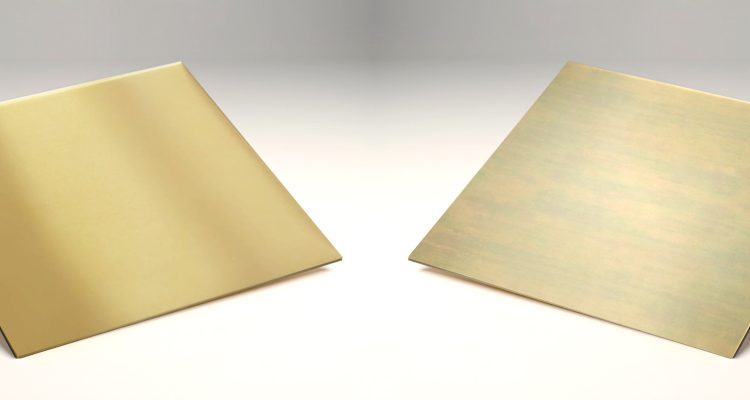
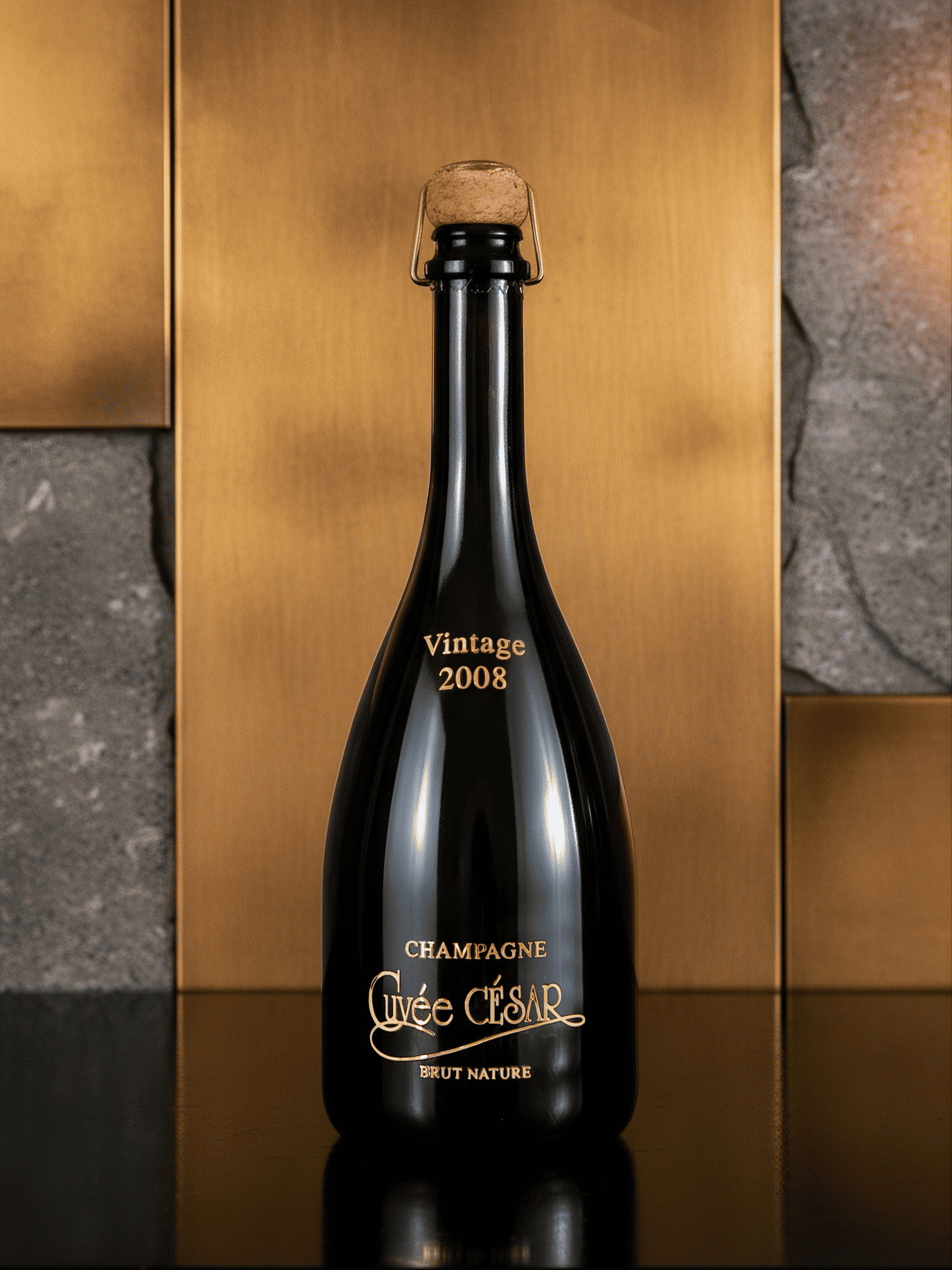
This move towards more authentic materials is accompanied by a rejection of unnecessary embellishment and layered effects, in favour of more considered finishes – brushed, satin or anodised – that reflect light with greater subtlety and nuance than a mirror-like surface.
In a world saturated with stimuli, luxury is increasingly defined by visual calm: a harmony of simple details, executed with precision.
Provided brands do not give way to purely economic considerations..
Because a poorly judged compromise can dilute a brand's identity and, ultimately, its desirability.
Luxury is a cultural language.
And more than ever, that language is expressed through materials, detail and consistency.