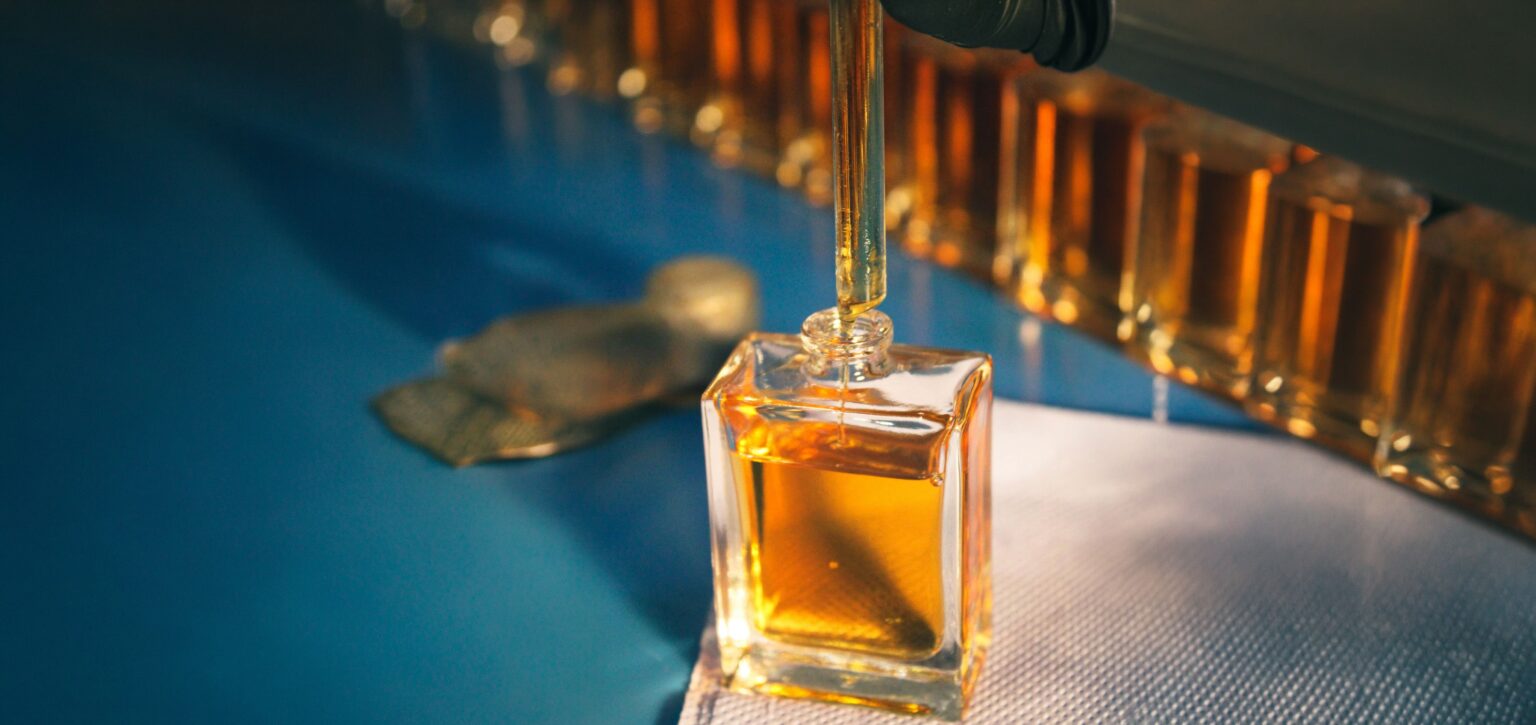
More and more brands are introducing refillable containers to extend the lifespan of their packaging and reduce its environmental impact. This shift was identified as one of the key trends at Luxe Pack Monaco 2026 by Premium Beauty News, in an article published on 12 October,alongside the development of packaging designed for easier recycling, in line with the EU Packaging and Packaging Waste Regulation (PPWR).
Long-lasting packaging therefore calls for labelling solutions designed to withstand repeated refills. Two approaches can be considered, or even combined: a durable label that remains firmly in place over time, or an easily removable label that allows components to be separated for cleaning, reuse or recycling.
A Durable Label to Match the Container
Bottles, flacons and jars: over successive uses and refills, containers are repeatedly handled, exposed to moisture, cleaned and refilled. These demands play a key role in determining the choice of material.
While a paper label may be suitable for the initial sale, it can become stained, peel off or lose its legibility after several refill cycles. So how can brands preserve both product identification and visual appeal over time?
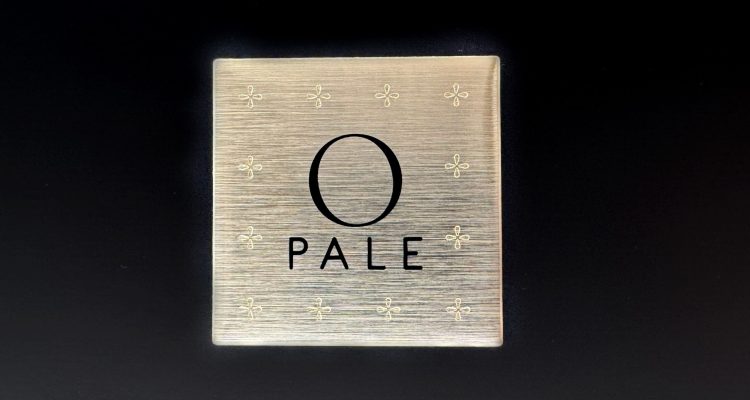
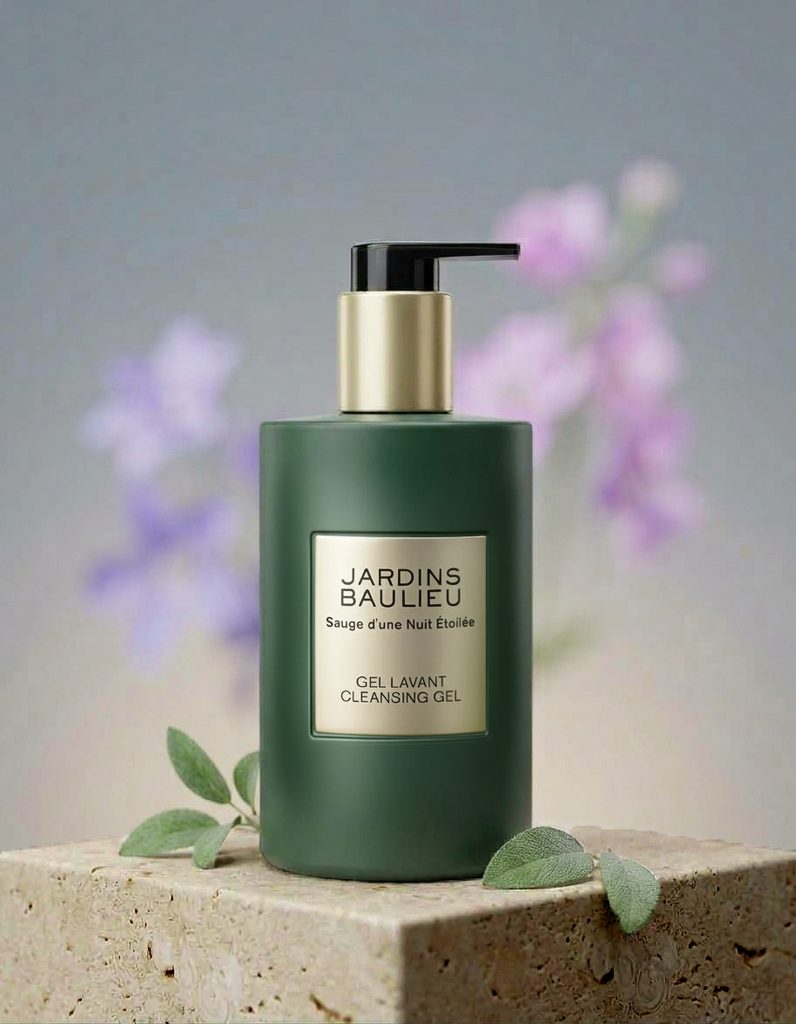
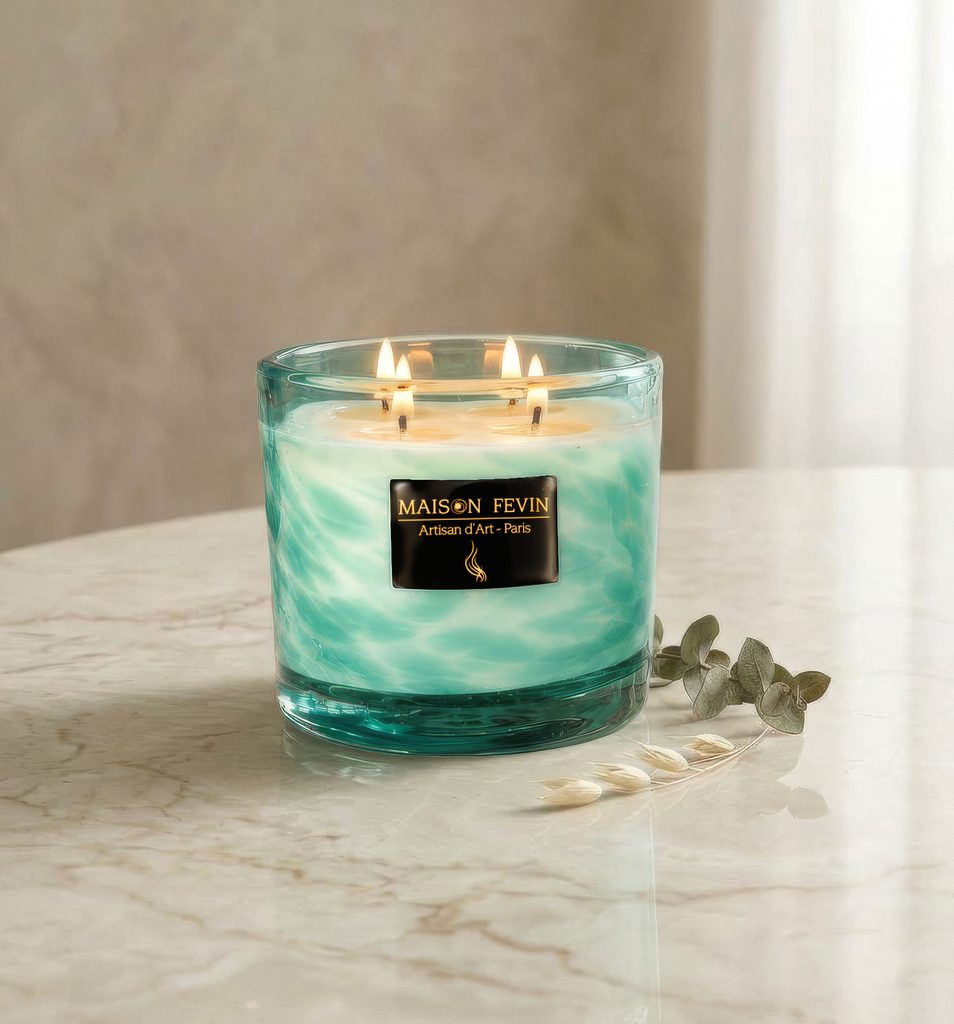
Metal offers an interesting solutio, as it is highly resistant to deterioration over time. A metal label designed to withstand the conditions of use can remain with the container throughout its lifespan, while giving the brand a distinctive visual and tactile identity. Metals, particularly aluminium, are also readily recyclable. Doming, although more challenging to recycle, offers another effective solution for long-lasting, durable labelling.
A Fixing Method Designed for Easy Separation
The durability of a label also depends on how it is attached.
A removable label or another adhesive-free fixing system can make it easier to separate components and improve their recyclability. Indeed, adhesives are not recyclable and can also complicate the processing of the materials to which they are attached. Depending on the packaging design, this may allow the label to be removed before cleaning and then reattached, or replaced with a new one, with the original label sent to the appropriate recycling stream.
The environmental benefits therefore depend on the packaging as a whole: the materials selected, how they are assembled, and the recycling and processing options actually available.
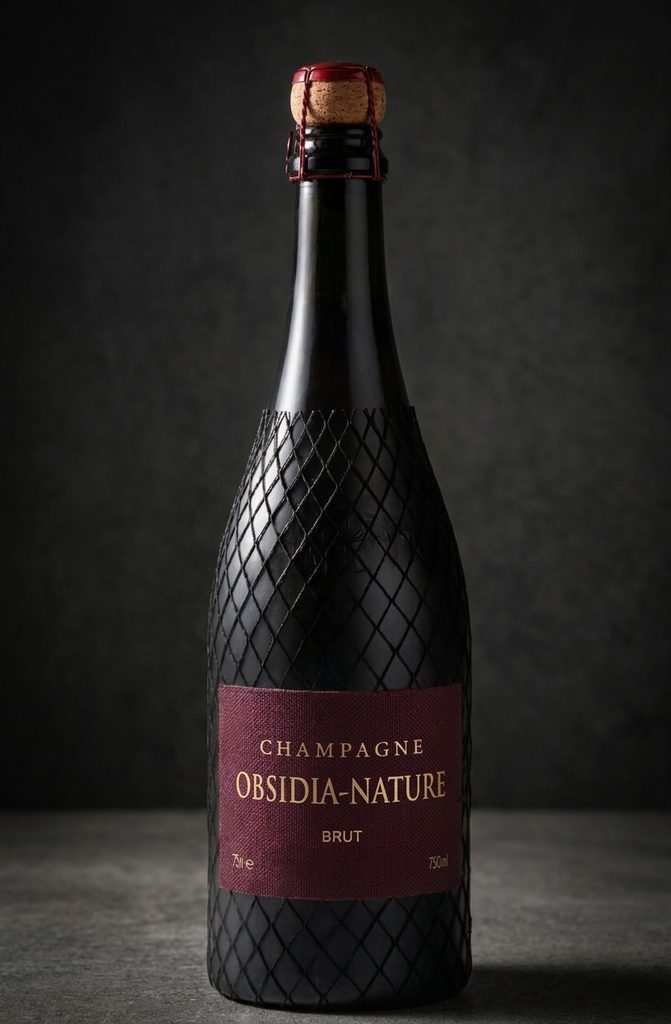
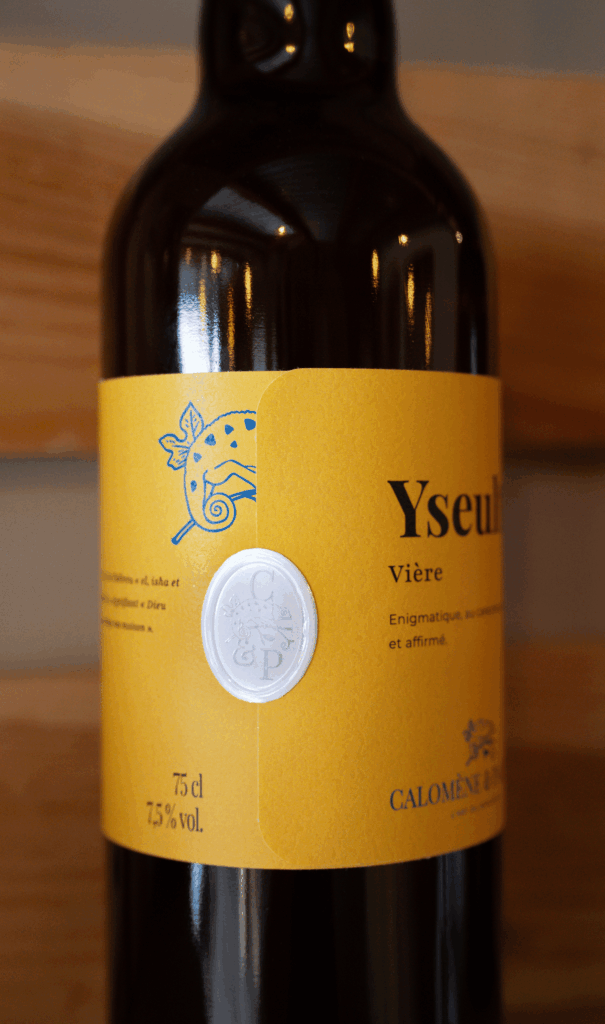
For example, small resin seals with a wax seal effect can be an effective way to secure a label around a bottle. The seal can simply be peeled off, allowing the label to be removed completely without leaving any adhesive residue. Although the seal itself cannot be recycled, this approach significantly reduces the amount of adhesive and resin required in favour of a recyclable material – in this case, paper.
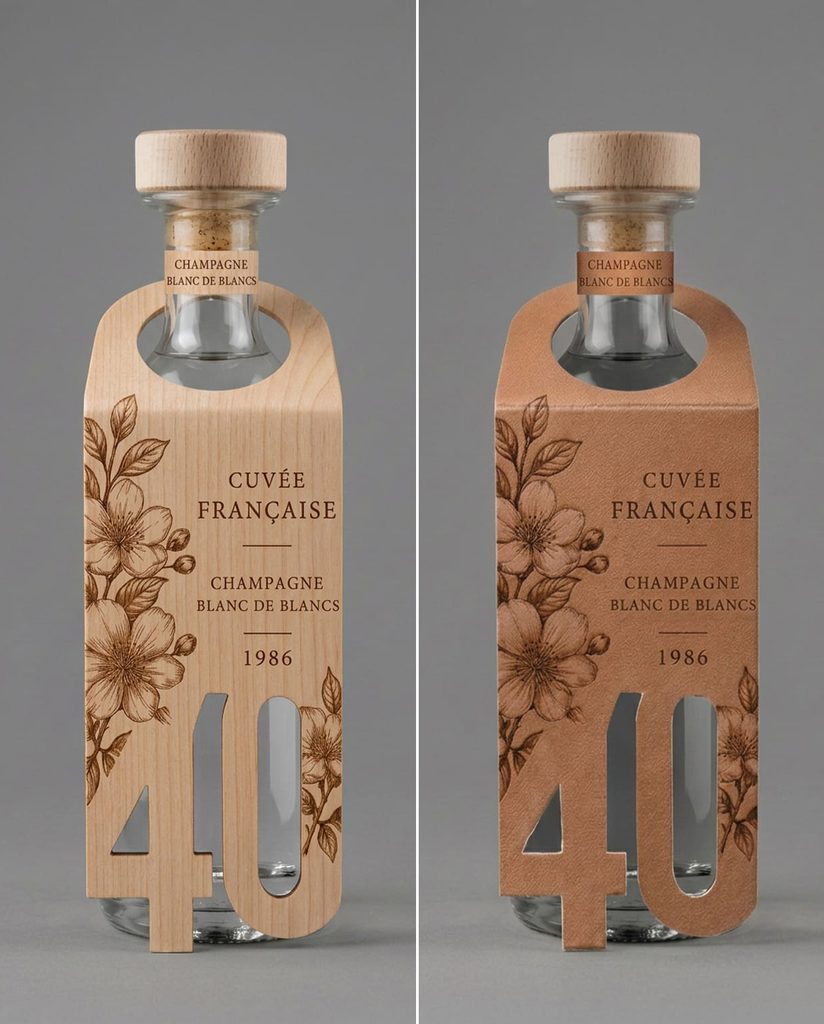
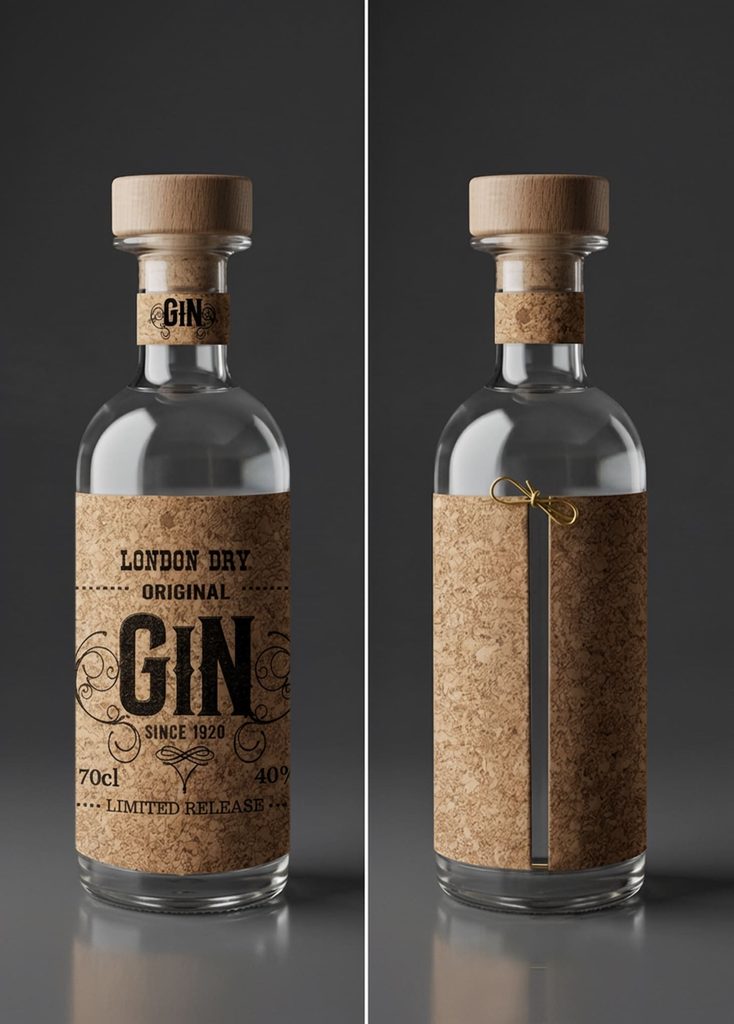
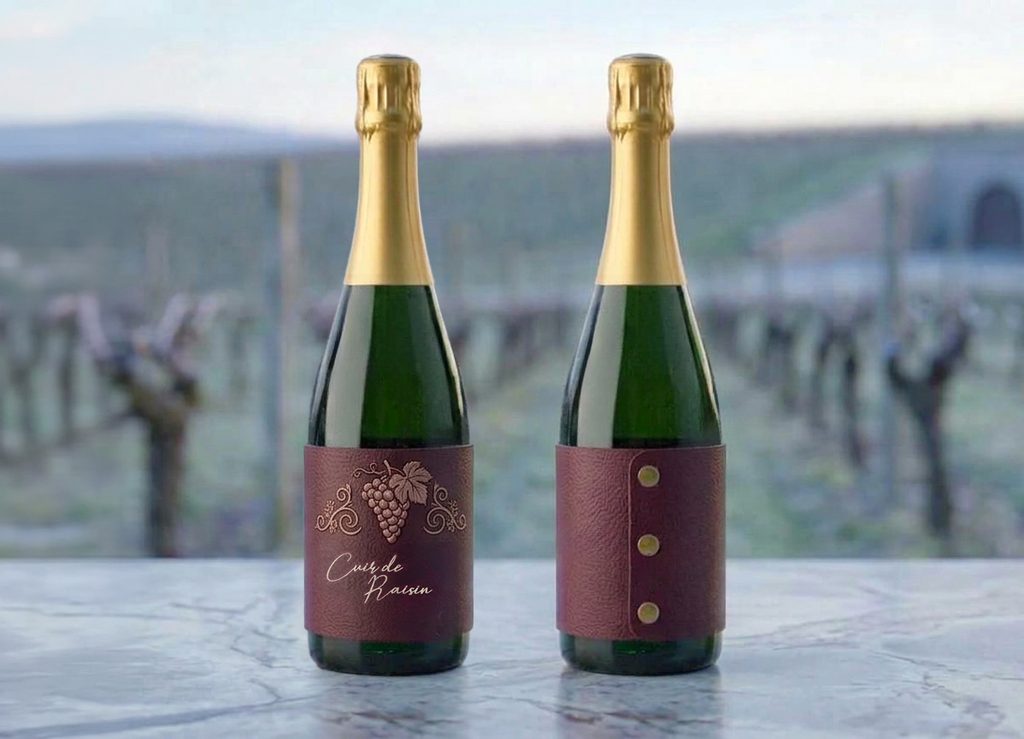
For a completely adhesive-free solution, natural materials such as wood, cardboard, concrete or grape leather could be used to create sleeves – labels that slip over the neck of a bottle or flacon and wrap around all or part of the container – which can then be easily removed when refilling. Depending on the shape of the container and the material selected, various fastening systems can be developed to keep the label securely in place, including elastic bands, laces, slots, magnets and collars.
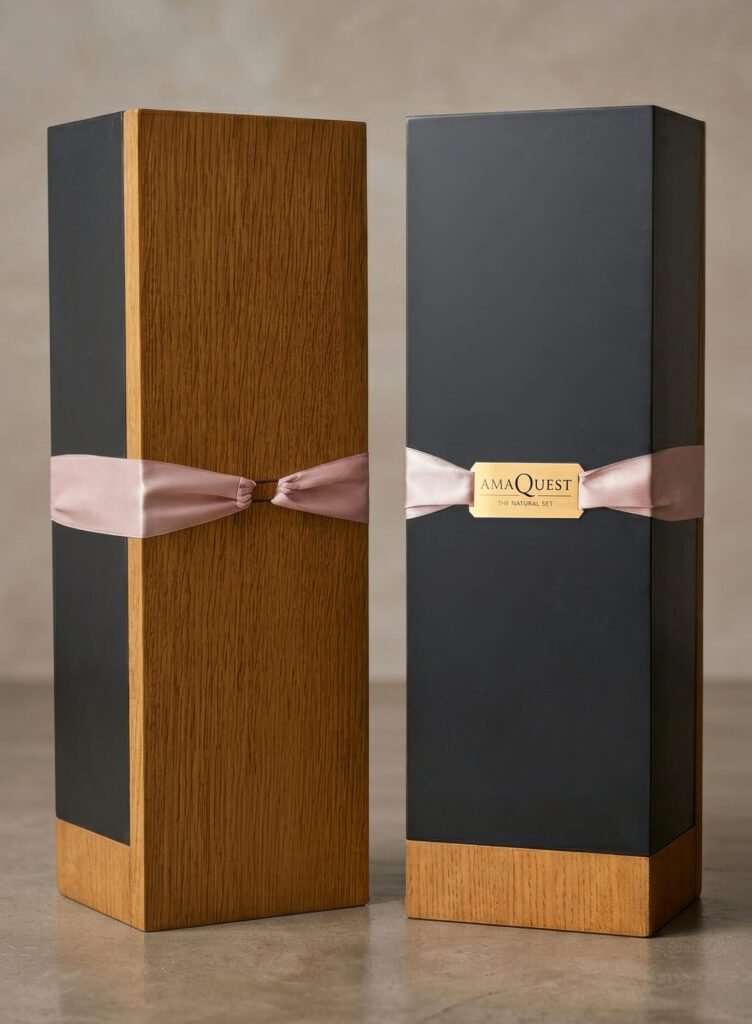
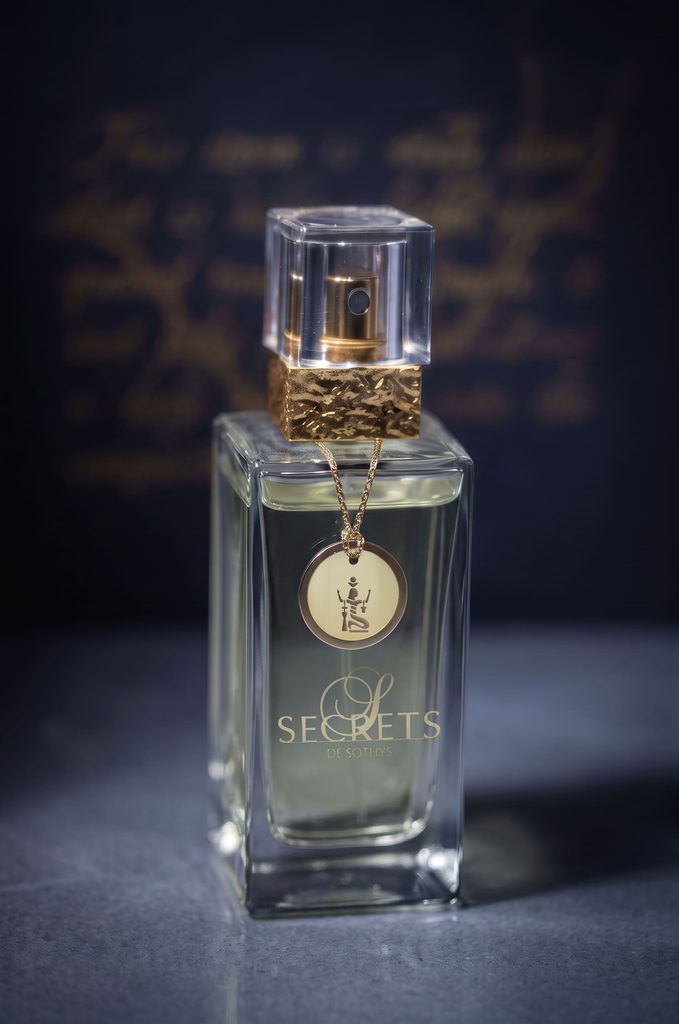
Similarly, labelling can be used to seal a product without adhesive, allowing it to be removed whenever needed through a ribbon fastening system. Alternatively, it can simply adorn the container, like a medallion that can be easily attached and removed.
Removable labelling can be easily taken off when refilling, making it less prone to damage. It also offers the advantage of being replaceable when the contents change, making it particularly suitable for containers used across multiple product variants (for example, a shampoo range where the same bottle could be refilled with a different fragrance).
Designing Packaging and Labelling Together
Ultimately, to create a coherent solution, labelling needs to be considered from the very beginning of the packaging design process.
A few key questions can help guide the choice:
- What conditions will the label be exposed to over successive refills?
- How will the container be cleaned?
- Should the label remain in place or be removable?
- How can the components be separated at the end of their useful life?
Depending on the answers, a permanent, durable label, a removable solution or an adhesive-free fixing system may be the most appropriate choice. These features can also be combined: a label can be designed to last while remaining easy to remove.
Are you developing refillable or reusable packaging? Let's discuss your requirements and find the right labelling solution for your project.
A Few Ideas and Development Possibilities…